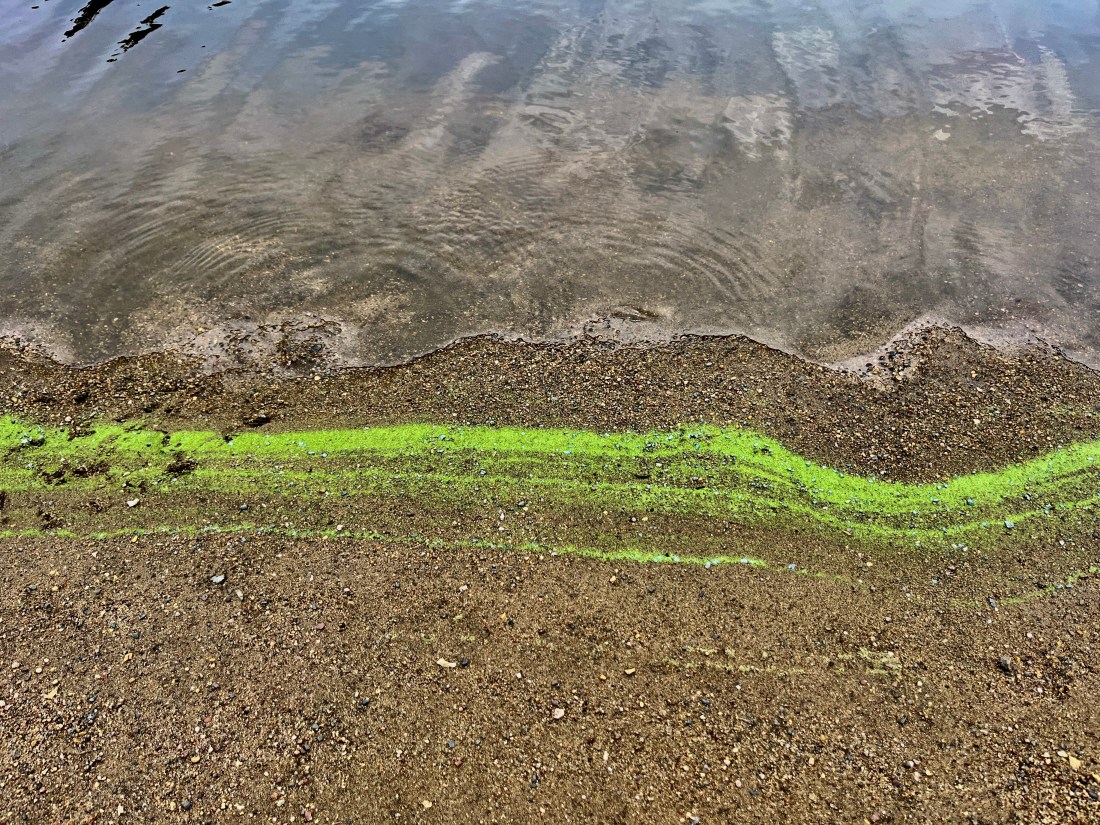
Mary, Mary quite contrary, how does the algae grow? With phosphorus, and nitrogen – the nutrients all in a row.
It was a summer’s day in June of 2025, and no one was swimming at Point Douglas beach. Warmer than normal temps and an overabundance of phosphorus in the St. Croix River had fueled a spike in cyanobacteria, causing a toxic bluegreen algae bloom. Point Douglas was one of dozens of beaches in Minnesota to close due to algae that week.

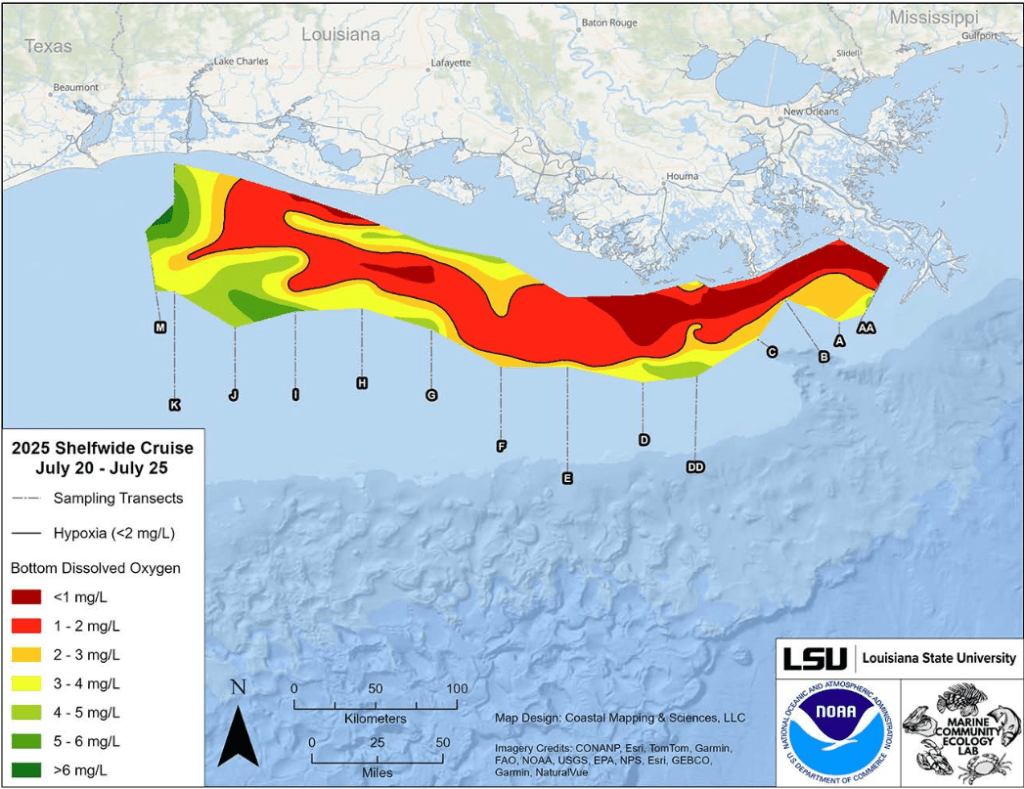
More than 2000 miles downstream, where the Mississippi River flows into the Gulf, bluegreen algae was spreading across the ocean as well. Because it is a saltwater system, the primary nutrient feeding the cyanobacteria there is nitrogen instead of phosphorus. Even so, the result is the same – toxic water that deprives fish and wildlife of the oxygen they need to survive, and a sheen of green that makes the water appear like pea soup. Though the National Oceanic and Atmospheric Administration (NOAA) reported a “smaller-than-normal” dead zone in 2025, the bluegreen bloom still covered 4,402 square miles of water.
The Minnesota Pollution Control Agency (MPCA) recently released a report summarizing ten-years of progress toward reducing water pollution in the state’s rivers, lakes, and groundwater aquifers. The biggest news is that Minnesota is sending 32% less phosphorus and 6% less nitrogen down the Mississippi River, compared with in 2014. In addition, three-quarters of the lakes assessed by the MPCA statewide show declining phosphorus concentrations. Unfortunately, however, river nitrate concentrations have remained the same or even increased in all but two monitoring sites. The practical impact of these changes (or lack thereof) will most likely be fewer algae blooms here in Minnesota, but just as many down south in the Gulf.
Why are we doing better at reducing phosphorus compared with nitrogen?
Though both are naturally occurring elements that are commonly included in fertilizers, these two nutrients behave rather differently once they are in the environment.
Phosphorus in our lakes and rivers most commonly comes from feces (manure, wastewater treatment plants, and septic systems), organic matter (leaves, grass clippings, compost, and soil), and fertilizer. Because phosphorus binds with soil, it is relatively easy to “trap” it on the landscape by planting raingardens, prairies, and buffer strips. In fact, any project that reduces erosion will also keep phosphorus out of the water. Roughly half of the phosphorus in our rivers comes from agriculture, while 9% comes from urban areas, and 11% from wastewater treatment.

Like phosphorus, nitrogen also comes from feces and fertilizers. Unlike phosphorus, however, nitrogen does not bind with soil. As a result, it is more likely to leach down into groundwater aquifers or slip through planted projects like raingardens and vegetated buffers. Keeping nitrogen out of our water requires larger, more holistic changes, such as converting annual row crops to perennial plantings that don’t need as much fertilizer to grow. In some locations, bioreactors can also be installed to filter nitrogen out of farm runoff before it gets to rivers and streams. A full 72% of nitrogen in our rivers comes from agriculture, with only 4% coming from urban areas, and 8% from wastewater treatment.
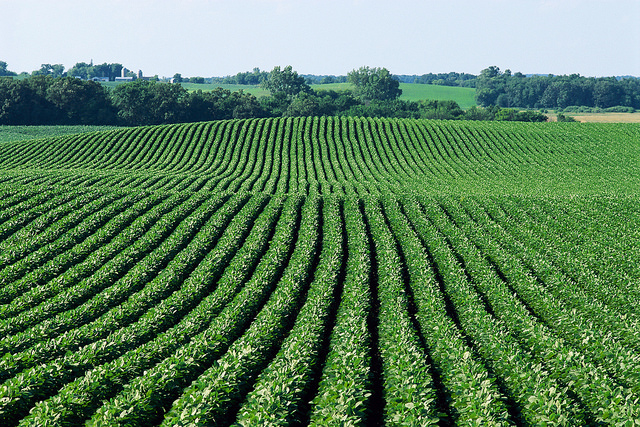

The MPCA’s recent nutrient reduction report provides reasons for optimism, as well as renewed resolve. Conservation-oriented farming practices have been implemented on 4 million acres of cropland in Minnesota over the past ten years, and wastewater treatment plants have reduced their phosphorus exports by 76%. Even so, more change is still needed to meet quality goals, especially related to nitrogen.
Let’s keep the good work going and hope for even better results ten years from now!

 East Metro Water